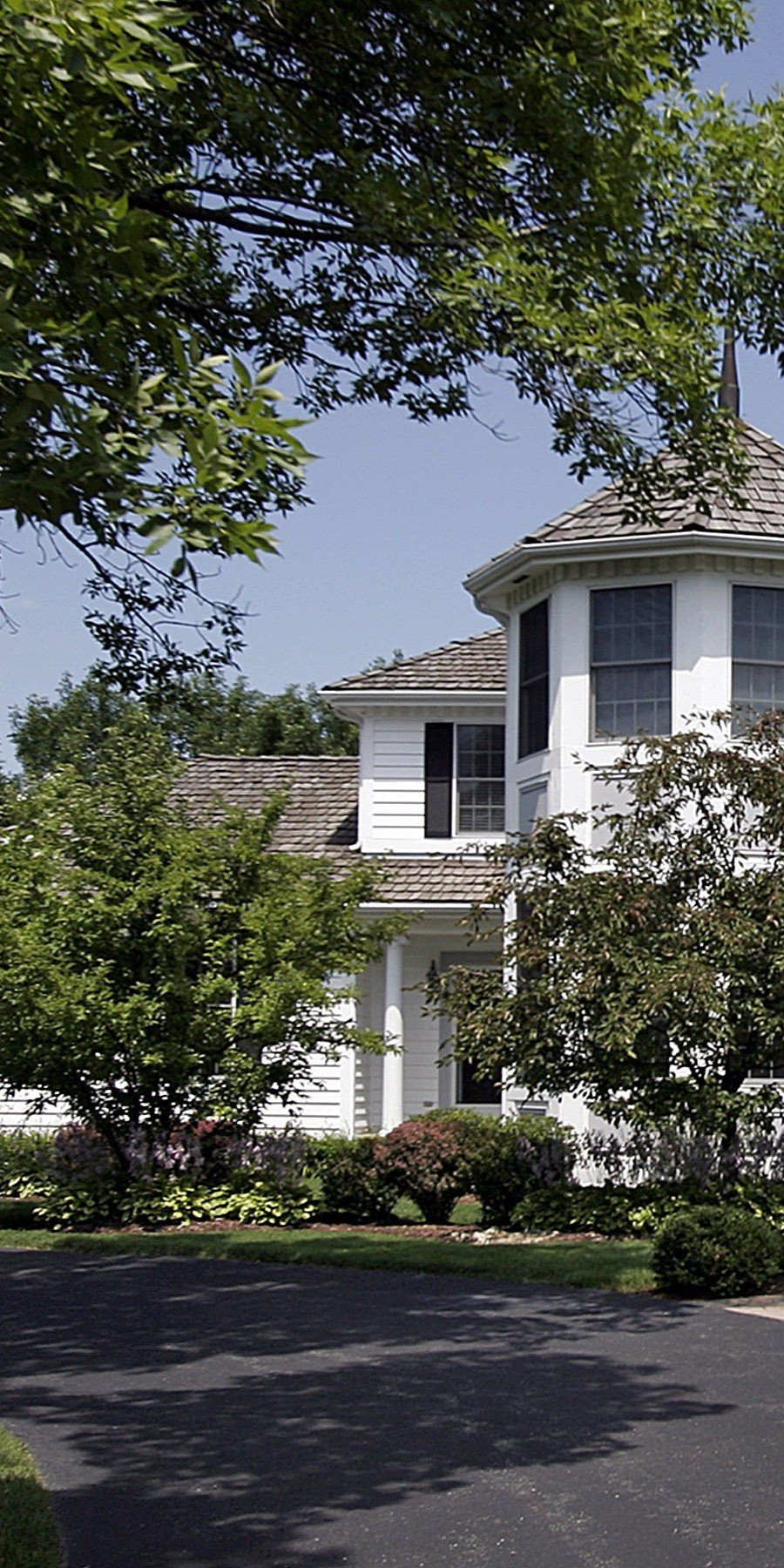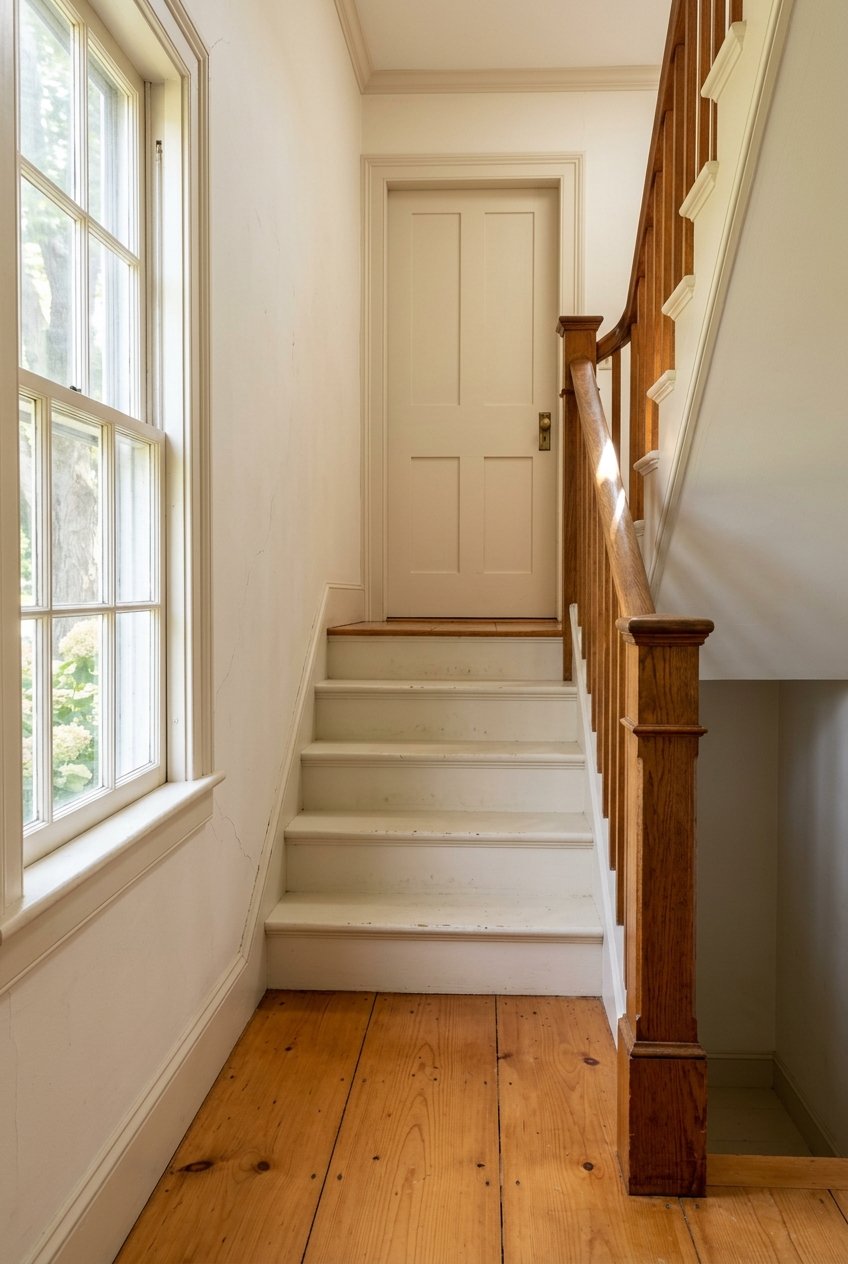
Thinking about buying a historic home in Guilford, CT? It is easy to fall for the original woodwork, old-house charm, and shoreline setting, but a beautiful older home can come with very specific rules, repair needs, and budget questions. If you want the character without the surprises, it helps to know what to look for before you make an offer. Let’s dive in.
Why Guilford draws historic-home buyers
Guilford has one of the most notable concentrations of older homes in coastal Connecticut. The Guilford Historic Town Centre has been described in a National Register nomination as an area of about four square miles with more than 700 structures, shaped largely by late Colonial and Federal architecture, along with later 19th- and 20th-century buildings.
That context matters when you start house hunting. In Guilford, older homes are not rare exceptions. They are part of the town’s identity, and buyers often come across properties with original details, long ownership histories, and preservation significance.
A local preservation and tourism guide also notes that Guilford has hundreds of historical houses and historically significant buildings. It highlights the Henry Whitfield House as the oldest dwelling house in Connecticut and the oldest stone house in New England, which helps explain why the town appeals so strongly to buyers who want architecture with real history behind it.
Local historic district rules matter most
One of the biggest things to understand is the difference between a preservation designation and a local review requirement. In Guilford, the day-to-day impact for most owners comes from local historic district rules, not simply from a home being old.
Guilford’s local code identifies two regulated local historic districts: the Guilford Town Center Historic District and the Whitfield Street Historic District. If a home is inside one of these districts, exterior work visible from a public street, way, or place may require review through a Certificate of Appropriateness before the building can be erected, altered, restored, moved, or demolished.
That can affect decisions such as replacing windows, changing siding, modifying trim, adding visible exterior features, or planning larger exterior renovations. The exact scope depends on the project, so buyers should confirm early whether a target property is inside a local district and what kinds of changes would trigger review.
National Register status is different
This is where many buyers get confused. A property may be in a historically important area or even connected to National Register status, but that does not automatically mean the same level of local exterior review applies.
A Guilford preservation guide explains that National Register listing is mainly a preservation designation and a possible path to certain tax-credit programs. It does not itself restrict private owners in the same way local historic district review does. For a buyer, that makes it especially important to ask which designation applies to the property you are considering.
What the approval process can look like
If you buy in one of Guilford’s local historic districts and later want to make exterior changes, planning ahead will matter. Guilford’s Historic District Commission encourages pre-application meetings, which can help you understand whether your project is likely to fit the district’s standards before you spend time and money on final plans.
The commission’s rules say applications should include items such as drawings, photographs, and material lists. The commission must act within 65 days of the public hearing date, which means timelines for visible exterior work may be longer than what buyers expect with a newer home.
This does not mean improvements are impossible. It means your renovation path may require more coordination, better documentation, and a little more patience.
Demolition-delay rules can affect future plans
Even if you are not planning a teardown, it is smart to understand Guilford’s demolition rules before you buy. The town’s demolition ordinance requires a permit from the Building Department and includes notice requirements.
It also creates a 90-day waiting period for significant buildings listed in the town’s historic resources inventory and for demolition work exceeding 500 square feet. If you are considering a property that may need major structural changes later, this is an important issue to raise early during due diligence.
Inspection priorities for older Guilford homes
A historic home inspection should go beyond the basics. Older properties often have layers of repairs, updates, and aging materials, so you want inspectors and contractors who understand how old-house systems behave.
In Guilford, moisture management deserves extra attention because the historic town center sits within a coastal setting shaped by tidal marshes and Long Island Sound. That does not mean a given home has a defect, but it does mean buyers should ask inspectors to look carefully at how the house handles water over time.
Key areas to review include:
- Roof condition
- Flashing details
- Drainage around the home
- Basement or crawlspace moisture
- Window and trim decay
- Signs of deferred maintenance
- Condition of original materials that may be costly to repair or replicate
If a home has original wood elements, masonry, or older exterior assemblies, small maintenance issues can become bigger expenses if they are ignored. A careful inspection can help you separate manageable upkeep from more serious repair needs.
Lead paint is a major old-house question
For many buyers, lead-based paint is one of the most important health and renovation issues in an older home. According to the EPA, 87% of homes built before 1940 and 24% of homes built between 1960 and 1978 contain some lead-based paint.
The EPA recommends assuming a pre-1978 home may contain lead-based paint unless testing shows otherwise, or hiring a certified inspector or risk assessor to test it. The agency also notes that buyers have a 10-day period to test for lead before sale under the federal disclosure rule.
If you are considering cosmetic work after closing, this matters even more. The EPA says renovation, repair, and painting in pre-1978 homes should be handled by lead-safe certified contractors, so be sure your budget and project timeline reflect that reality.
Budgeting for ownership and upkeep
Historic homes can be rewarding to own, but they often need a different budgeting mindset than newer properties. Beyond your mortgage payment, you may need to plan for specialized repairs, higher maintenance frequency, or materials that are more expensive to match.
Guilford’s broader housing numbers offer a useful baseline for local carrying costs. QuickFacts reports a median owner-occupied home value of $515,800, median monthly owner costs of $2,960 with a mortgage and $1,415 without, plus an owner-occupied housing rate of 83.7%.
Those figures are not specific to historic homes, but they help frame the local market. If you are buying an older property, it is wise to build in extra room for inspection findings, preservation-sensitive repairs, and long-term maintenance planning.
Tax credits may help in some cases
Some buyers assume every old home qualifies for preservation incentives, but eligibility is much narrower than that. Connecticut does offer programs that may matter if you are planning a substantial rehabilitation.
The state’s Historic Rehabilitation Tax Credit provides a 25% credit for qualified rehabilitation expenditures on certified historic structures. Connecticut also offers a Historic Homes Rehabilitation Tax Credit that may apply to qualifying owner-occupied historic homes if program rules are met.
At the same time, the federal historic preservation tax incentive described by Connecticut DECD is generally for income-producing certified historic structures. That usually does not fit a typical owner-occupied single-family purchase.
The key takeaway is simple: do not assume a house qualifies just because it is old. Check eligibility early through the State Historic Preservation Office and ConnCRIS before making renovation plans that depend on tax-credit savings.
Smart questions to ask before you buy
When you tour a historic home in Guilford, the right questions can save you time, money, and frustration later. You are not just buying square footage. You are buying a set of conditions, obligations, and opportunities.
Here are some practical questions to ask:
- Is the property inside a local historic district?
- What exterior work would require a Certificate of Appropriateness?
- Is the home listed in the town’s historic resources inventory?
- Could demolition-delay rules apply to future changes?
- Have prior renovations been documented with permits, photos, or material specifications?
- Is there known lead-based paint?
- Would a certified lead inspection or risk assessment make sense before closing?
- Which original elements appear repairable?
- Which replacement choices might trigger preservation review?
These questions can help you understand whether the home fits your goals, your budget, and your comfort level with ongoing stewardship.
Historic charm works best with a clear plan
Buying a historic home in Guilford can be incredibly rewarding if you go in with open eyes. You may gain craftsmanship, architectural detail, and a sense of place that is hard to replicate in newer construction.
At the same time, the best experience usually starts with a thoughtful buying strategy. That means checking district status early, reviewing potential approval requirements, budgeting for maintenance, and lining up inspectors and contractors who understand older homes.
If you are considering a historic property in Guilford or anywhere along the New Haven shoreline, working with a local guide can make the process feel much more manageable. When you are ready to talk through neighborhoods, older-home considerations, and your next move, connect with Jennifer D'Amato.
FAQs
What makes buying a historic home in Guilford different from buying a newer home?
- Historic homes in Guilford may come with local exterior review rules, older materials, lead-paint concerns, and maintenance issues that require more detailed due diligence.
What are Guilford’s local historic districts for homebuyers to know?
- Guilford’s local code identifies the Guilford Town Center Historic District and the Whitfield Street Historic District, where certain exterior work visible from public areas may require a Certificate of Appropriateness.
Does National Register status restrict changes to a Guilford historic home?
- Not in the same way as a local historic district. A local Guilford preservation guide notes that National Register listing is mainly a preservation designation and tax-credit pathway, while local district status is what typically affects exterior review.
What should buyers inspect first in an older Guilford home?
- Buyers should ask inspectors to pay close attention to roof and flashing condition, drainage, basement or crawlspace moisture, window and trim decay, and signs of deferred maintenance.
Should buyers test for lead paint in a Guilford historic home?
- If the home was built before 1978, it is wise to take lead-based paint seriously. The EPA recommends assuming it may be present unless testing shows otherwise, or hiring a certified inspector or risk assessor.
Are there tax credits for rehabilitating a historic home in Connecticut?
- Possibly. Connecticut offers a 25% Historic Rehabilitation Tax Credit for qualified rehabilitation expenditures on certified historic structures, and a Historic Homes Rehabilitation Tax Credit may apply to qualifying owner-occupied historic homes under program rules.